
Beans for Fertility: Why we should be eating more.

Beans are a great addition to a healthy and balanced diet, and that is no exception for those on a fertility journey. When trying to conceive a child, it is normal to pay extra attention to the foods that you are eating, alongside supplementation of essential vitamins.
Beans are nutritionally packed providing a mixture of plant based proteins, fibre, vitamins and minerals that support fertility and early pregnancy. They are also affordable, filling, and easy to use in everyday meals from soups to hummus!
What beans bring to a fertility diet.
Adding beans (including chickpeas, lentils, kidney beans, black beans and broad beans) to a fertility diet is important as they are nutrient powerhouses. They’re a rich source of plant protein, dietary fibre, B-vitamins including folate (the natural form of vitamin B9), iron (non-haem), zinc and a range of minerals and phytonutrients that support general health and reproductive function. The UK Eatwell guidance and NHS materials list pulses as an excellent protein alternative and a good source of folate and fibre — nutrients important before and during early pregnancy.
Folate and preconception health.
Beans contain folic acid, a B vitamin, that helps to prevent neural tube defects in early pregnancy. The NHS recommends that women start taking a 400 microgram supplement of folic acid as soon as they plan to try for a baby. It will also be recommended by your IVF nurse if you are going through the IVF process. Whilst supplementation is essential, it is still important to get a diet rich in healthy nutrients, including folic acid, which beans are a great source of.
Chickpeas and kidney beans are specifically named as good dietary sources of folate. Including beans in regular meals helps raise dietary folate levels alongside the recommended supplement.

Plant protein, ovulation and fertility outcomes.
Protein is essential for tissue growth and repair, including reproductive tissue. Beans offer high quality plant protein which is low in saturated fat and high in fibre. Research has found links between the source of dietary protein and ovulatory infertility.
A large study of women reported that replacing a small portion of animal protein with vegetable protein was associated with a substantially lower risk of ovulatory infertility. While one study doesn’t prove causation, this finding has been influential in fertility nutrition discussions and is supported by later reviews that link plant-forward diets to improved markers relevant to fertility (healthy weight, insulin sensitivity, lower inflammation).
Why fibre, low-GI and plant foods matter.
Beans are low on the glycaemic index (GI) for starchy foods and are high in soluble fibre. Diets that favour whole grains, pulses, vegetables and unsaturated fats (Mediterranean-style diets) are associated with better metabolic health which supports ovulatory function, conception and healthy pregnancy outcomes. The World Health Organization also highlights legumes as a key component of a healthy diet pattern for adults, and recommends shifting diets toward more vegetables, whole grains and pulses.
The British Dietetic Association (BDA) includes pulses and beans in its pregnancy and fertility nutrition advice, noting that pulses provide fibre, plant protein and important micronutrients and that choosing more plant-based protein can be beneficial. BDA materials also emphasise balancing iron intake (pair plant iron with vitamin C to improve absorption) and using a variety of foods to meet micronutrient needs.

Big Bean Boost: a national push to eat more beans.
As of the time of writing this blog post, there has been a big push in the UK to promote beans in public meals. Veg Power’s “Big Bean Boost” schools programme and related national campaigns aim to increase beans on school menus and raise public awareness of pulses’ health, budget and climate benefits — a handy social movement to tag into if you’re promoting bean-rich meals at home. You might see campaign materials and school rollouts under names such as “Big Bean Boost” or related local initiatives.
Five easy bean dishes to add to your fertility-friendly menu.
- Creamy white bean & spinach soup – Sauté a chopped onion and 2 garlic cloves in olive oil, add 2 cans drained cannellini beans (or 300 g cooked), 500 ml vegetable stock and a large handful of spinach. Simmer 10–12 minutes, blitz with a stick blender until smooth, finish with lemon juice (vitamin C improves iron absorption) and black pepper. Serve with wholegrain toast. Tip: add a spoonful of natural yoghurt on top if tolerated for calcium and extra protein.
- Chickpea & tomato pasta – Cook wholegrain pasta. Meanwhile, sauté garlic, chopped onion and chilli; add one can chickpeas, a can of chopped tomatoes, a teaspoon of smoked paprika and simmer 8–10 minutes. Toss cooked pasta through and finish with fresh basil and a drizzle of olive oil. Serve with a side salad (vitamin C from salad vegetables boosts iron uptake).
- White bean & quinoa salad – In a large pot, brown diced carrots, parsnip and onion, add a mix of beans (kidney, borlotti, black beans — about 600 g total cooked), a tin of tomatoes, a splash of stock and herbs (thyme/rosemary). Simmer 20–25 minutes until vegetables are tender. Serve with boiled new potatoes or brown rice. This is freezer-friendly and a great way to bulk up weekly meals.
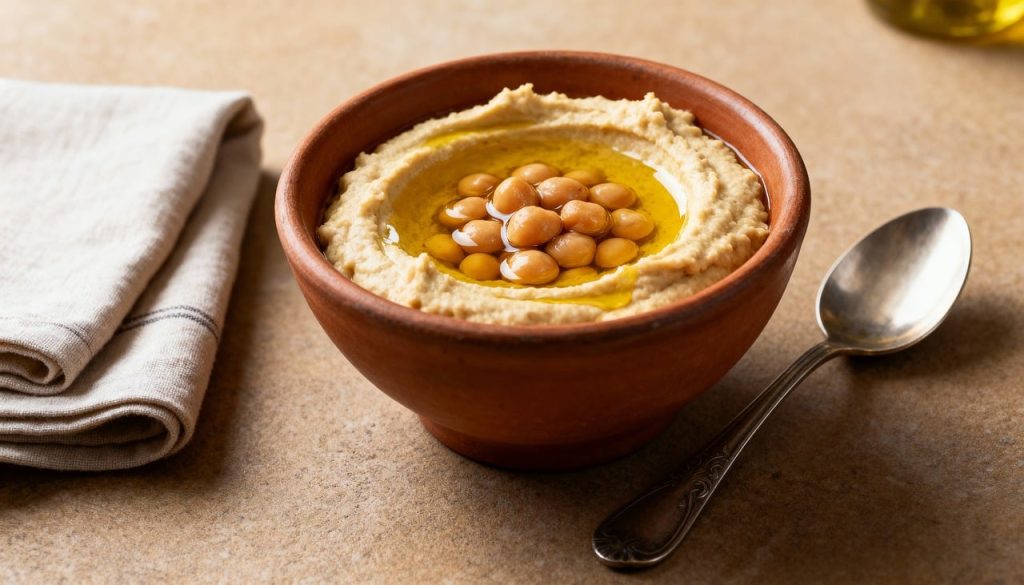
- Hummus – blend in a food processor, one can of drained and rinsed chickpeas, 1-2tbsp tahini, 1 garlic clove, juice of 1 lemon, salt and pepper. Optional seasoning, cumin or smoked paprika. Serve as a dip or side dish.
- Bean burger – Mash one can of mixed beans in a bowl. Stir in a handful of oats, a grated carrot, a pinch of smoked paprika, salt and pepper, and one beaten egg (or flax egg if vegan). Shape into patties and lightly fry for a few minutes on each side, or bake at 190°C for about 20 minutes. Serve in a wholemeal bun with tomato and salad. A budget-friendly, high-fibre, protein-rich option that freezes well and works with any bean you have on hand.
Tips for getting more beans into your diet.
• Start small: add a few spoonful’s of beans into stews, bolognaise or salads — you don’t need to go fully plant-based to get benefits.
• Canned beans are time-saving — rinse them to reduce sodium and gas!
• Pair beans with vitamin C-rich foods (tomato, lemon, pepper) to improve non-haem iron absorption.
• If you follow a vegan/vegetarian diet, check iodine and B12 intake and discuss supplements with your GP or dietitian. The BDA and NHS advise a balanced approach and targeted supplementation where needed.
Summary.
Pulses and beans are nutritious, affordable and environmentally sustainable foods that fit well into a fertility-supporting diet. They supply folate, fibre and plant protein, and when used to replace some animal protein, have been associated with better ovulatory outcomes. Adding a few bean dishes into your weekly diet is an easy step that you can take, alongside recommended supplementation. If you’re sharing recipes or ideas, tag them with #getbeansonthemenu to help normalise more pulses on plates. For more information be sure to visit the BDA, NHS, and WHO websites linked in this post for more information. You can also read our other blog posts that cover a variety of fertility nutrition topics!


nutritionbyhannah
Fertility Nutrition by Hannah. We share fertility focused recipes as well as provide meal plans catered to veggie, vegan, standard and pescatarian.

You May Also Like

The Importance and Benefits of Omega-3 Fatty Acids for Fertility Success
February 25, 2025
The Role of Antioxidants in Fertility Health
February 13, 2025